The Tax and Compliance Angle: TTB Labels in Plain English
On the federal compliance work that happens before the bottle ever ships.
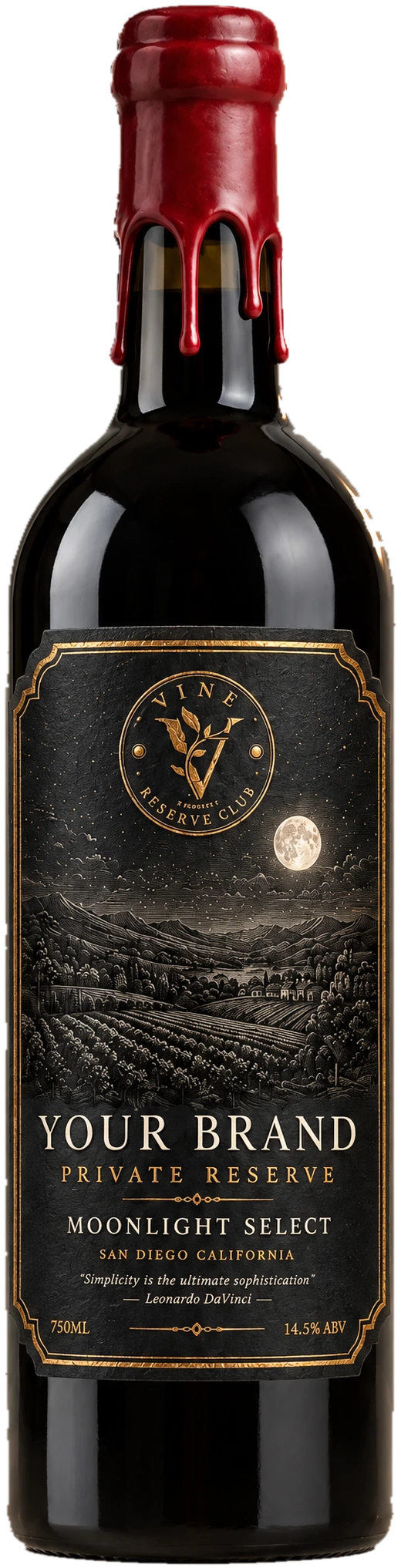
Every wine label sold in interstate commerce in the United States must receive a Certificate of Label Approval (COLA) from the federal TTB before the wine can ship. The COLA verifies that the label meets federal requirements on net contents, alcohol by volume, the government health warning, the sulfite declaration, and brand integrity. Most customers never see this step; the producer handles it. But the customer should know it exists.
What needs approval
The brand name on the front label, the alcohol by volume, the net contents, and the back-label legend including the government warning and sulfite declaration. The COLA covers the label as a whole. Substantive changes to brand name or alcohol require a new COLA; minor text changes typically do not.
How long it takes
TTB processing takes between two days and six weeks depending on the queue. Most custom-label producers maintain a portfolio of pre-approved label templates and apply the customer's brand line as a non-substantive variation, which keeps the lead time under our standard window. We do this. The customer's brand line is a variation on a pre-approved master, not a new COLA application.
What gets rejected
Brand names that conflict with existing trademarks. Brand names that contain restricted words (HEALTH, MEDICINAL, ORGANIC without certification). Misleading geographic designations. Missing or unclear government warning text. The studio's defaults are calibrated to keep the customer well inside approval territory; we flag any input that might cause an issue before printing.